100 blog post milestone!!

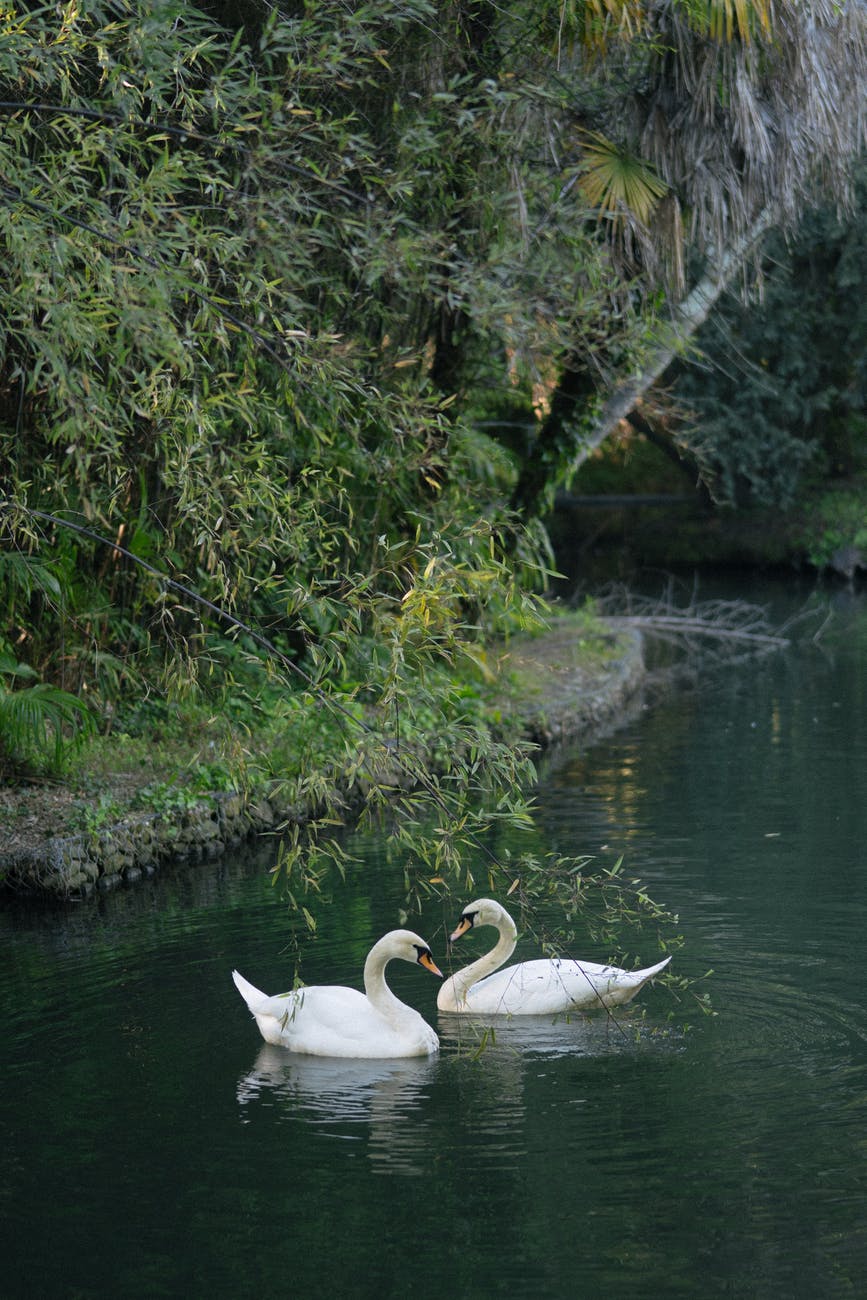
Photo by Matheus Bertelli on Pexels.com

Courage starts with showing up and letting ourselves be seen

Brene Brown

Having had a very loose plan when I created this blog almost two years ago, I have come to realize that this process has been less about what I initially envisioned and more about trying on the role of writer in my life. Transitions have been a part of everyone’s life since the pandemic began and although I can identify that I am still in the process of moving from one part of my life to another, I still haven’t landed on the other side of where I began.

Maybe I never will.

Struggling with the learning curve of how to blog, post short pieces and some epic design fails, these experiences all provided a challenge that until recently I didn’t fully appreciate. It is wonderful to stretch our learning and skill sets but typically the hurdles of motivation and fear of failure can limit beginnings to any dreams we might have. For some reason it seemed I needed to push through all of that. It would have been much easier to simply cave and give up.

Some people blog to collect followers and likes, or to backstop a business venture, or to process what happens in our lives and have others read and bear witness to what we are experiencing. I wanted to process retirement, the transitions that occur in life, and instead I found myself gravitating to writing weekly as a goal to develop “being a writer” and enhance my connection to creative process.

And to somehow hold myself accountable for doing just that. Once I had landed on a goal for a weekly post, I then decided to set an arbitrary milestone number of 100 posts. That distant goal setting exercise never really seemed achievable when I set it but here I am. Who knew?!

As my journey to understand life transitions continues it seems equally important to continue to reflect on the process of creativity and the writers path. It has been wonderful to share my journey with others and keep my motivation to write real. Many thanks!!

Stay healthy and safe!

Looking around you

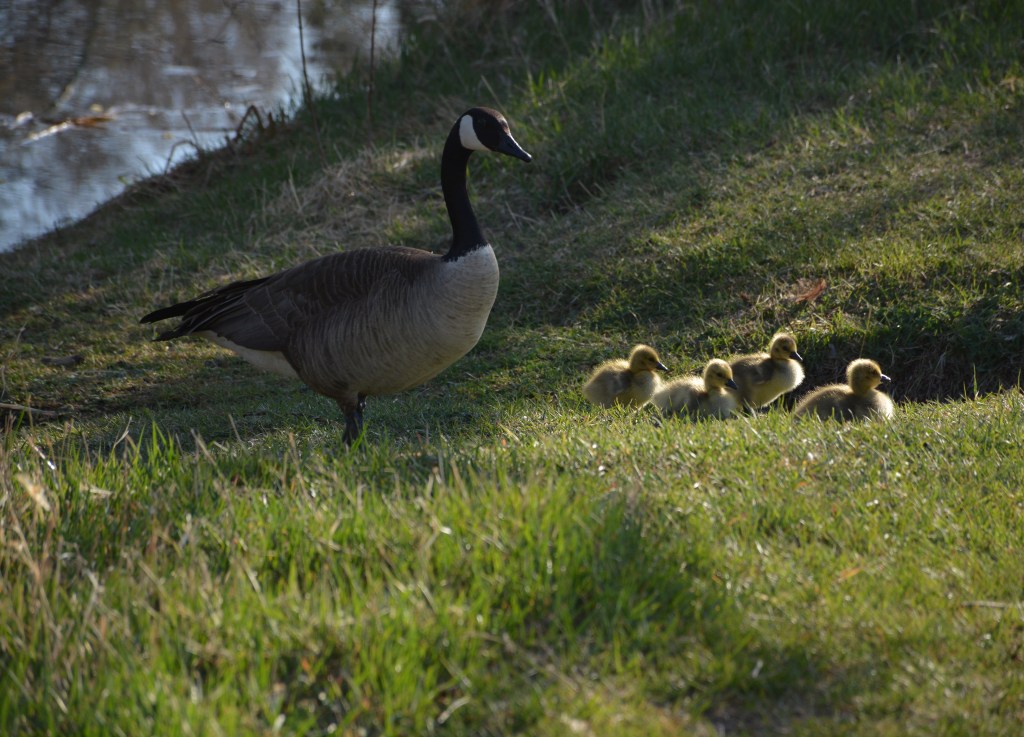
Photo by L Meyer

One looks, looks long, and the world comes in

Joseph Campbell

Sometimes it seems we are passing through life without seeing what is around us. Having lived in a bubble for the past year or so, I have been acutely aware of things that I have missed seeing and that I have only been able to dream of. As our world becomes safer to journey out into, I have given thought about the things I thought I would welcome back into my life. And, those things that I now realize that I can live without.

Seeing family, friends are high on my priority list. Going shopping for material things I once thought I needed but really did not has fallen off that list. I am acutely aware now that it is easy to fill up a life with empty things. Travelling to see places that I have had on my wish list has narrowed but with new focus I can see possibilities where I never did before in my own country.

But I am becoming aware that the simplest pleasures in my life are when I can breath more deeply, enjoy moments with others, and take time to look around me and see what is really there. I don’t miss the days of rushing from place to place, or from appointment to appointment.

Now I find that when I am going out for walks, taking my camera with me, I take time to notice things in my immediate surroundings that I haven’t truly seen before. Strangely this is something I didn’t realize was missing from my life until our whole world was forced to stop. Being able to slow down and see what is around me, grounds my creativity and helps with forward movement.

Taking new perspectives on familiar things is energizing. Spending moments to take in all that surrounds us seems to help focus our artist’s lens. Creativity is driven by seeing more. We all have this ability, perhaps now is the time in life to pay more attention to this and nurture it. Maybe this will be one of those silver linings that sticks as we slowly find the path to our new normal.

Stay healthy and safe!

A creative kind of disappointment

Photo by Yaroslav Shuraev on Pexels.com

Disappointment is simply a dream that doesn’t want to become a reality

Richard Wilkin

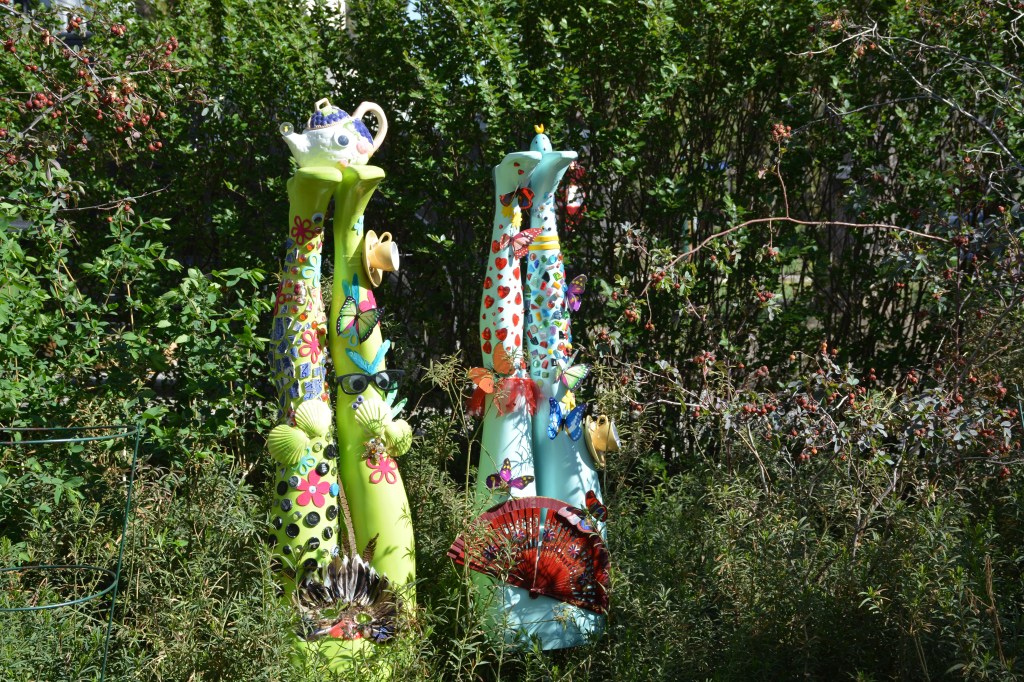
Have you ever created something only to discover what you had envisioned doesn’t really exist? I spent an hour yesterday morning walking around parks near my home toting my camera. Inspired by some of the intriguing yard art in our neighbourhood, I was beginning to think about creativity as a process. Where it comes from, where it resides, and where it goes when it disappears. Poised with my camera, I shot dandelions in the moment as a sudden burst of wind caused white whispers of seed to scatter into the air. Magnificent, certainly, perhaps even a photograph worthy of posting somewhere.

As I continued to walk, I shot two red winged blackbirds who were either fighting over a nesting spot or defending one that already existed. Clear, sharp in focus, images of birds whose red stripes were vivid showcased in the camera lens. More than satisfied, I continued walking along a creek bank. Pelicans feeding on fish, and performing some morning bathing abulations that I have never witnessed before. They are typically difficult birds to photograph because as soon as they sense your presence they turn their backs towards you. So thinking I had captured at least one shot of these antics got my adrenaline moving.

On the way back, I discovered a piece of yard art that was fun, whimsical and full of hidden surprises. An antique screen door used as the backdrop for an antique hand pump fashioned into a water fountain. Lily of the valley graced the base of the display and in amongst the tiny white flowers were three miniature gnomes in various poses. I didn’t even notice them at first but felt a shimmer of delight in this discovery quickly anticipating how wondrous these hidden glimpses would be in a photo.

Later in the afternoon, I spied a tiny wasp nest attached on the underside of a ladder propped against our backyard fence. It was petite and it took some time to process and register what it was. But before I would remove the nest, I ran to get my camera so I could photograph this tiny little wonder. Popping on a different lens for macro shots, I quickly began snapping pictures from different angles. Paper thin, fragile in shades of grey, white, with swirls of black lines, the subtle texture of the nest quite stunning. A wasp emerged as I was taking a picture which was really neat but I decided there was no point pushing my luck and was grateful I had captured many images.

So last evening I took out my camera card to upload the photos from my creative adventures throughout the day. When I opened the compartment to retrieve my camera card, it was obvious that the card had not been firmly placed in its slot. Feeling a sickening, sinking sensation just below my heart center, I was fairly certain there would be nothing on it.

Ignoring the truth of what was happening, I placed the card in the slot on my computer. Clicking to import new photos, I was confronted with the fact that there really were no images on that card. Absolutely none at all. All of those amazing creative fragments which had danced in my head throughout the day, gone. That swing of energy that carried me through the day had only culminated in a sense of disappointment which lingered for longer than it should have.

Reflecting on this now has made me realize that disappointment should not negate the power of creative bursts of effort. There is much in life that disappoints us and it seems best to release those feelings rather than to cling to emotions that disturb and distort. Creative practice is just that. Practice. In hindsight, the magic of all those moments behind the camera lens continue to inspire. Not to mention learning a rather tough lesson about camera cards!

When we adjust and adapt our expectations, when we summon flexibility as needed, our disappointment disappears!

Stay healthy and safe!

Paying attention can help grow a writer’s craft

Photo by L Meyer

If you want to change your life, change what you pay attention to. We give things meaning by paying attention to them and so moving your attention from one thing to another can absolutely change your future

Jessica Crispin

For the most part, I haven’t spend a great deal of time considering what types of things I am paying attention to in my day to day life. If I am specifically trying a mindfulness technique or attempting to meditate, I am able to acknowledge the types of thought processes I engage in when I am not doing anything. More typically, I observe what I didn’t pay attention to or have some free floating awareness of the things I am attending to. Especially those negative thoughts or emotions that I may be hanging onto without conscious realization.

But when I am writing, I haven’t spent time thinking about the specifics of where my focus is or isn’t. This week, I embarked on an intensive writing course and part of the work we will be doing is not merely generative writing exercises but learning through a process of paying careful attention to the writings of select authors. And then paying attention to very specific details of my own writing process.

It’s easy to gloss over words, phrases and even entire paragraphs when reading a story and at times the same may be said for when you are writing one. Learning to focus one’s attention to nuance is proving to be a valuable skill. Eye-opening in more ways than one. The first hurdle I had to make was to push through that small mountain of insecurity that one experiences when sharing your writing. This can seem more insurmountable when you are working with a cadre of writers more experienced and who have published more than I have.

But by being asked to pay keen attention to what they are focused upon as readers has brought me new awareness and understanding. Suddenly instead of shying away from constructive criticism, I am craving these gems that fellow writers are sharing. I am coming to value where my story breaks down, or I suddenly inserted a new POV where it shouldn’t be. Hearing what others might do to stimulate character evolution in something I have written, or thinking about where an inciting incident should be placed from different vantage points has served to teach me more than I set out to learn.

However, there was one clear takeaway from this experience that quickly became evident.

If we spend too much time worrying about how others are perceiving what we have created, we will miss an incredible journey of learning about what others have to share with us. These growth opportunities may not come often but when they appear you must seize the moment. Take risks. Seek out helpful criticism. Learn the subtle art of accepting the wisdom of others who have much to teach you about how to pay attention to your own work. And the lessons from this experience have shed light that could likely shine on many aspects of life. Not just writing.

Stay healthy and safe!

The Spark File: a writer’s tool that worked

Photo by Pixabay on Pexels.com

The most interesting part of the experience is the feeling of reading through your own words describing new ideas as they are occurring to you for the first time. In a funny way, it feels like you are brainstorming with past versions of yourself

Stephen Johnson

Have you ever read about a technique that you believe may help you with your creative process or strengthen your understanding of your craft? Many of us do this to further our development in whatever artistic endeavour we are passionate about. If your experience is similar to mine, you may find that you become momentarily excited about an idea but never actually follow through with the practical application of these strategies.

At times, I have wondered if this may be just a sophisticated form of procrastination.

But what happens when you do follow through and commit to trying an idea for a period of time. And then discover that it makes the mark and has real impact.

As a writer, I had been jotting down ideas in random notebooks, my daily journal and sometimes in a notes file on my phone. This has always seemed disjointed and I rarely, if ever have taken much time to review those ideas with more than passing interest. Recently, I came across an article about something called a Spark file. More than casually curious, I then took the time to view a Ted talk by Stephen Johnson, creator of this strategy that he calls the Spark File.

Simplistic in nature, a spark file is simply a chronological record of ideas, thoughts, or creative hunches which excite in some way. Intended for those times when it occurs to you that maybe you should write this down, or research to learn more, or…but never do and those marvellous ideas just float away into some place that must be creative purgatory.

There are likely numerous tools one could use to collect the ideas that in the moment feel important and meaningful but you may not have to time to really sit down and develop them. I chose to use a Google doc because it is easy to use on all of my devices. Working in this way has produced a lengthy document that is really a series of snippets of writing that may be “hunches” or ideas not fully formed but otherwise would be easily forgotten about.

This document contains possible titles for stories I have written, ideas about things to research, edits to consider for pieces already in progress, character sketches, plot devices, questions about point of view, etc. Realistically it serves as a quick snapshot inside my head that tells me a little bit about my writing process, the pieces that I am working on or the dreams I have that I visualize writing about in the future.

The key to making this work is to periodically take the time to review all of what has been entered in your Spark file, take a step back and then begin the search to make associations, find patterns and relationships between the random pieces of writing you have collected over time. I was surprised by the way this actually worked for me. I gleaned enough about my writing process to finish edits on pieces that had stalled and were suspended in limbo.

I suppose the thing I was most surprised by was the manner in which this simplistic tool provided some insight into some aspects of my work as well as the fluid and organic nature of creativity. It seems like more than happenstance that using a loosely structured way to capture some of my thoughts and ideas actually paid off with some results that I am pleased with.

Our creative brains are always available to us and if we can structure a way to capture those ideas that captivate us and contribute in a meaningful way to our creativity, it serves as a roadmap to help prevent getting lost along this journey. And it is always nice when something we read about, and then invest time and effort in, has a real world practical application.

Stay healthy and safe!

“Creating” room in our lives for play

Photo L Meyer

Openness and the ability to access exploratory play are big parts of creativity, but as we get older we become alienated from these abilities. We were all born with this built in imagination. For creativity to work we need to embrace unpredictability. We need to step outside the rules.

David Usher

In this past year our neighbourhood playground has been closed off with yellow warning tape, reopened fully, and now has a barrage of signs with Covid warnings and public health guidelines. Watching small children play with abandon is a fascinating albeit rare event these days. But the manner in which a child creates something, engages in play of any kind is a glimpse into a process that we could all stand to incorporate more often into our own lives.

Spending time observing children in a nearby playground made me keenly aware of how little time adults spend in play. I watched tiny hands piling a mound of sand switching to suddenly run off to gather mounds of sticks then darting back to position them in just a certain way and finally finished with a smooth stone placed on top. To my adult eye this appeared to be a haphazard way of “playing” in the sandbox with the result seeming to be just a pile of messy debris. As quickly as that thought occurred to me, the child decides it is finished and runs off to find her mother to show off her creation. Her exuberance over her creation and excitement to share it with her mother was compelling.

When did we lose our ability to find joy in the most obscure of our creative ventures? If we are makers or creators, we may impose a set of expectations upon ourselves that are not only unrealistic but self-defeating. Do we need to expect that everything we set out to do will find its way into the public domain? Of course not, yet that is precisely what happens for many artists. Our bursts of creative passion are often tempered by rumination, negative self talk that remind us that we are not good enough, creative enough, etc.

The pressure we place upon ourselves before we even sit down to write, or to paint often leaves us in a state of inertia where we erroneously believe it is safer to do nothing than to resist all of this self imposed negativity and persevere. Imagine for a moment if children approached their daily play activities with inappropriate expectations and terror that their sand creation would never be published or purchased. Sounds inane, right? Because it is. And that goes for adults as well.

Instead of defining what we will do with our art before we even create it, what if we just make space in our lives for play, to just create, and become just okay with that. If something emerges that we could send into the world, then perhaps we will do that. But otherwise, it is the process of creativity in and of itself that should be what is of importance. As humans we can be creative in every aspect of our lives. So if we can’t write, or shoot a photograph, or collage or paint a masterpiece, perhaps we are cooking or gardening or bringing pieces of creativity to our work lives.

Relearning to create like a child is a gift that we all deserve to give to ourselves. Although it may seem that taking precious time for exploratory play is frivolous given our daily responsibilities and obligations, we will lose out on those creative leaps that occur when we give ourselves permission to let our imaginative powers loose. Finding those sparks that light us up can be possible when we relax our perfectionistic expectations and learn to lean into the moment. Letting your play flags fly may take us further than we think. And no matter the result, it can’t hurt us to play a bit more often.

Stay healthy and safe!

Found Poetry – another window into creativity

Photo by Wallace Chuck on Pexels.com

Found poetry is the literary version of a collage. Poets select a source of text or texts – anything from traditional texts like books, magazines and newspapers to more traditional sources like product packaging, junk mail or court transcripts – then excerpt words and phrases from the text to create a new piece

Found Poetry Review web-site

In an inspired moment driven by one of our ingenious members, our writer’s group celebrated “April is Poetry month” with a playful activity to create found and blackout poetry. Using aging books that eventually would find a resting place in a recycling bin, we cut, glued, and redacted words with a black Sharpie pen and emerged with new creations. Fascinating. Fun. Stimulating. And in the creative spirit of our writers group, affirming our quest to be open to whatever the muse provides.

Intrigued by both the process and the results, I began to search the internet to see what I could learn about found poetry. It is a thing. Has been since the 1760’s when Benjamin Franklin’s neighbour was inspired to create fiction from the news broad prints of the day. Annie Dillard has done it. William Burroughs was quoted about his passion for it. Austin Kleon published a book of poems, “Newspaper Black Out” and performed a Ted Talk about the subject.

From 2011 – 2016, The Found Poetry Review, a literary magazine published hundreds of found poems as well as articles on the craft of found poetry. Teachers around the world use the techniques to share the possibilities of poetry and creative writing with students. And many writers use these and other techniques to springboard writing when stuck. I subscribe to the theory that writer’s need to practice and warm up prior to producing anything worth moving forward.

So this fits perfectly into that tool kit of ideas you may wish to draw upon when stuck, discouraged, or simply want to become primed for words to begin to flow when you sit in front of your computer or pick up your pen and put it to paper. Bonus – it is also perfect for anyone who doesn’t take the time to play enough in their day to day lives. Warning though, you may become so immersed that time flies right by.

Here is the poem that I created from the random page selected for this exercise:

hopelessness covered most of the night

fear would reveal nothing

it quivered, heavy, breathless,

and twitched

in spasm

in light of the morning

hope,

rose like a miracle.

Take some time this month to celebrate the poets in your life!

Stay healthy and safe!

Discovering abandoned writing

Art is never finished, only abandoned

Leonardo da Vinci
Photo by Pixabay on Pexels.com

Frigid winter temperatures and pandemic isolation have forced me to embark on another phase of clearing out clutter that mysteriously accumulates in my home. Discovery of a box placed high up on a shelf, both out of reach and out of eyesight, recently led to an interesting find.

Blowing off decades of dust, I opened this innocuous cardboard box, both puzzled as to what was inside of it and wondering why it was languishing in that spot unnoticed. Curiosity welled up inside of me. Along with a small buzz of excitement as recognition dawned about what it might contain.

Dozens of cheap notebooks were neatly stacked inside. Hilroy brand with narrow lines, three holes punched in them while sporting traditional colours: yellow, blue, green, and an odd dull shade of red. Reminder of a time when I had once poured my heart and writing soul into the craft of writing.

Flipping through them, I read past attempts at short fiction, poetry that badly needed line breaks, and pages of ideas for essays. Today I guess we would call that genre, creative non-fiction. Some random journal entries, typically melodramatic rather than upbeat but clearly delineating the timeline of the writing. Decades old from my university days and slightly beyond.

Character sketches. Plot outlines. Prose written with far too many adjectives. Ideas for a novel. As I read, becoming rather engrossed in the words written by my much younger self, I knew that my clutter clearing project was going to be placed on hold. Most of the notebooks had many blank pages. It was almost as if I must have started to use a new notebook whenever I made a renewed commitment to developing a writing practice.

As I read through these notebooks, I felt an emerging sense of creative energy. Looking at one of pieces of short fiction, I wondered if it would better lend itself to a flash fiction piece. Moving quickly to the computer, my now preferred way to craft prose, I began reshaping the words that once were in my mind so many years ago. And realized how thankful I am for this unexpected opportunity to rediscover these abandoned words.

Stay healthy and safe!

To haiku or not to haiku…

I think it’s forced me to be in the moment, to pay attention, to think about connections, and to look at things in different ways.

Christine Watson
Photo by Pixabay on Pexels.com

Earlier this week, an online news article caught my attention and has been the impetus for a new creative daily exercise habit. A Canadian woman, Christine Watson began writing a daily haiku on April 7, 2020 as a part of her participation in a free global art project – The 100 day project. But once the 100 day mark was up, she didn’t stop.

Describing writing daily haikus as a habit she couldn’t stop, her journey of writing these short poems defined by 3 lines, and 17 syllables, continues. Seeking inspiration from all around her seems to have served to be not only positive and grounding in spite of the chaos in the world around us, but has captivated many people.

Integrated with photography, her daily haikus posted online, have stimulated creative activities both within her family and her community. Coincidentally, the same day I read about this unique approach to developing a daily creativity habit, a library book I had placed a hold on became available. Natalie Goldberg has just published, “Three Simple Lines – A Writer’s Pilgrimage into the Heart and the Homeland of Haiku”.

Feeling energized by the possibilities of this creative practice, I have begun filling pages of my writer’s notebook with what are certainly novice attempts at haiku. This poetic device on the surface seems simplistic but I suspect the complexity of this art form will take a long time to develop.

Galvanized by both Christine Watson’s story and Natalie Goldberg’s newest writing book, this feels like something worthy of focus. As with any type of creative exercise, this often seems to beget more creativity. So it seems like it should be a win/win kind of thing. The only downside I can see is that you shouldn’t do this too late at night.

Or you end up counting syllables instead of going to sleep.

Stay healthy and safe!

Creativity: Getting tiny sparks to burst into flame

Photo by Pixabay on Pexels.com

The universe buries strange jewels deep within us all, and then stands back to see if we can find them.

Elizabeth Gilbert

Doubt. Negative self-talk. Despair. We have all likely experienced those moments when we are certain that our creative wells have run dry and that we have no more words to offer up to the world. When we are beset by those times sometimes referred to as writer’s block, how do we regain those sparks of creativity and find the kindling needed to encourage them to burst into full flame?

Last month, I attempted and (actually!) finished a writing event during National Novel Writing month. Flash Nano, an event created by Nancy Stohlman who asked participants to sign up to receive a writing prompt every day and to then write a story of up to a thousand words. Each morning last month, I found myself trying to bend my mind around some unusual ideas, very quirky prompts, and then proceed to create a piece of flash fiction.

I must admit that as the month progressed, I actually eagerly looked forward to what that morning email would bring. And although it’s wonderful to now have a file folder with thirty flash fiction stories, some of which I will definitely invent the time to edit and polish while others will linger in that folder forever, my biggest takeaway was learning more about creativity. Specifically, how I became attuned to the role creativity plays in my writing life.

This was a private experience for me, I did not post my stories to social media sites, or share them with others. It was instead a journey down a path that led to internal examination and discovery. Each morning I found myself considering many divergent ways in which to approach a story based on prompts that sometimes didn’t even make sense to me. This creative discovery process was something I have never fully appreciated or spent much time in reflection about it.

Through this discovery journey, I have come to understand that many aspects of daily living are in fact creatively inspired. It seemed that from one day to the next, my sense of creativity was heightened and I began to notice how this permeates all aspects of my life. From what clothing I would choose to wear that day to what foods I decided to prepare and even extending to what type of exercises I would choose to engage in. Creativity is afoot even if we think it is not.

And the best part of this entire writing exercise, was that the more time I spent working on these ideas, the quicker they came to me. By the last week of the flash fiction event, my writing came more quickly and with much less struggle. It almost seemed as if the more creative sparks I experienced, the more these ideas became like pieces of kindling. And for all of the ideas that I didn’t actually use, I have set the remainder aside in a notebook for some day in the future.

Hope you are experiencing the warmth of the creative path in your life! Stay healthy and safe!