
Featured

Finding focus…again and again

Photo by Pixabay on Pexels.com

Creatives often lose focus when they tackle a particular creative project or intellectual problem. They start with great enthusiasm , certain in their bones that they know what it is all about. Then, even after just a few days, it becomes less clear to them what they’re doing.

Eric Maisel

During a writing class this past weekend, the instructor spent some time discussing how to leave a project you are working on to attend to the myriad aspects of daily life that require we do something other than write. But the challenge is, how do you get back to that magical place where your writing energy was high? That place where the why of what you are doing creatively seems crystal clear and words are rushing out of you. Up until something we are pressed to do elsewhere interrupts that flow.

Finding our way back to that creative focus can be one of the biggest stumbling blocks for a writer.

And for some unknown reason I have been labouring under the misconception that this particular problem was unique to me. Gazing at the number of notebooks with unfinished stories, abandoned ideas for books, first lines of poetry on my book shelf causes unbidden feelings of frustration, shame, annoyance to surface. And once those feelings emerge they threaten to overwhelm the thinking part of my brain that understands this is all part of the writing process.

In Eric Maisel’s latest book for creatives, titled, Redesign Your Mind, he notes that “the ways in which creative projects can dim, lose their lustre, and shift out of focus are legion”. So learning more about this aspect of the creative writing process seems paramount if one wants to become a writer who “finishes” their projects.

It seems that this is a typical problem that like most aspects of creative work if understood then it can be solved. I was glad to know that it is not just a “me” problem but one that impacts other writers and creative souls.

One of the suggestions that resonated for me was to develop a habit where prior to leaving your desk or computer or your notebook, that you write out where you think you want to go next, to frame questions that you want to consider or reflect on when you return to the page. Sort of a quasi developed pathway in point form about where you need to go next.

And what if you still can’t figure out where you were going with a piece of writing when you are finally able to get back to it? Then it seems best to simply write and keep writing. The magic seems to be in discovering what you are writing by actually doing it. Sometimes where you finish seems far removed from where you began. And really, what is wrong with that!

happy writing!
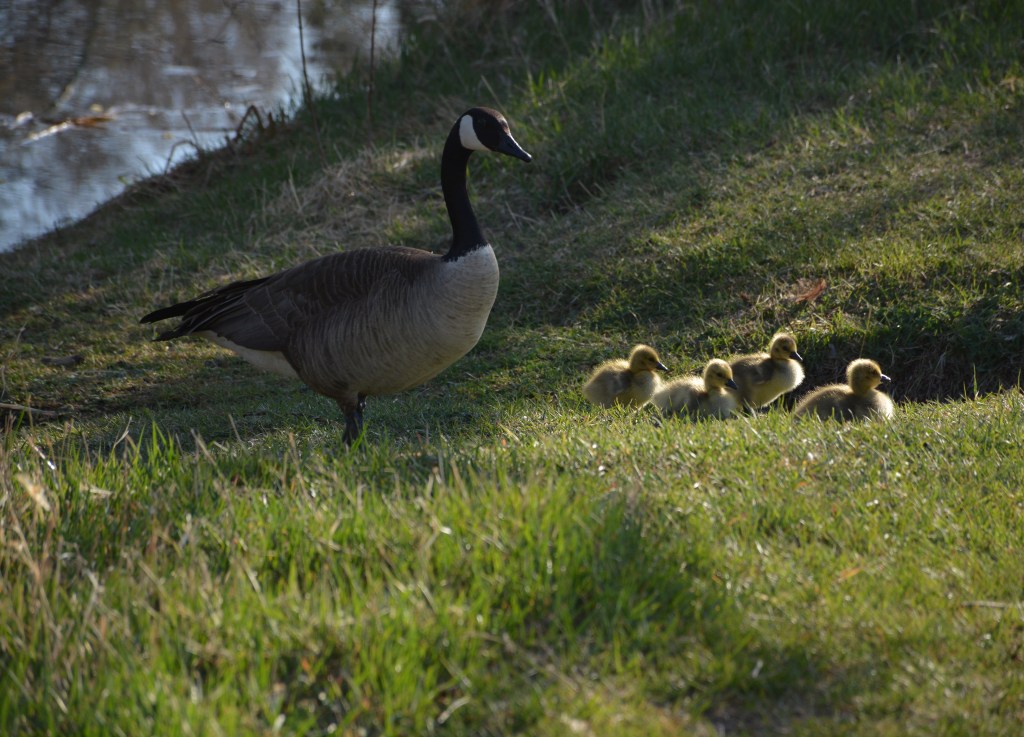
Paying attention can help grow a writer’s craft

Photo by L Meyer

If you want to change your life, change what you pay attention to. We give things meaning by paying attention to them and so moving your attention from one thing to another can absolutely change your future

Jessica Crispin

For the most part, I haven’t spend a great deal of time considering what types of things I am paying attention to in my day to day life. If I am specifically trying a mindfulness technique or attempting to meditate, I am able to acknowledge the types of thought processes I engage in when I am not doing anything. More typically, I observe what I didn’t pay attention to or have some free floating awareness of the things I am attending to. Especially those negative thoughts or emotions that I may be hanging onto without conscious realization.

But when I am writing, I haven’t spent time thinking about the specifics of where my focus is or isn’t. This week, I embarked on an intensive writing course and part of the work we will be doing is not merely generative writing exercises but learning through a process of paying careful attention to the writings of select authors. And then paying attention to very specific details of my own writing process.

It’s easy to gloss over words, phrases and even entire paragraphs when reading a story and at times the same may be said for when you are writing one. Learning to focus one’s attention to nuance is proving to be a valuable skill. Eye-opening in more ways than one. The first hurdle I had to make was to push through that small mountain of insecurity that one experiences when sharing your writing. This can seem more insurmountable when you are working with a cadre of writers more experienced and who have published more than I have.

But by being asked to pay keen attention to what they are focused upon as readers has brought me new awareness and understanding. Suddenly instead of shying away from constructive criticism, I am craving these gems that fellow writers are sharing. I am coming to value where my story breaks down, or I suddenly inserted a new POV where it shouldn’t be. Hearing what others might do to stimulate character evolution in something I have written, or thinking about where an inciting incident should be placed from different vantage points has served to teach me more than I set out to learn.

However, there was one clear takeaway from this experience that quickly became evident.

If we spend too much time worrying about how others are perceiving what we have created, we will miss an incredible journey of learning about what others have to share with us. These growth opportunities may not come often but when they appear you must seize the moment. Take risks. Seek out helpful criticism. Learn the subtle art of accepting the wisdom of others who have much to teach you about how to pay attention to your own work. And the lessons from this experience have shed light that could likely shine on many aspects of life. Not just writing.

Stay healthy and safe!