Featured

Taking time for goal reflection

Photo by Pixabay on Pexels.com

If you think towards your goal, your energies – and other people’s energies too – will be directed towards it. Every decision you make will contribute towards it. Even if you don’t achieve your ultimate goal, you’ll be further ahead than if you didn’t have the goal in the first place.

Elise Valmorbida

In our work lives, most of us spend at least one time per year to assess goals, evaluate progress, and even determine new ones. This evaluation process is for the most part widely accepted and could be considered simply par for the course. There are a multitude of reasons why we want to continue to grow and develop our knowledge and skills in the work arena.

But other areas of our lives often come up short in the goal setting and evaluation process. It’s like if we don’t have a “boss” to guide the process, it might not happen.

If we don’t focus on our passions, our creative interests in the same manner, they seem to languish and stall. Self-defeating expectations about what our inner artist should be doing are often unrealistic. This often provokes self-criticism leading us to abandon things long before we should.

When we begin something new, such as creative writing, making art, taking photographs etc., we have tons of energy and that beginner’s state of being is almost blissful.

But to continue on with any creative activity, we need to take stock of what we don’t know and find ways to fill those learning gaps. Just like we would do at work. So instead of letting things go prematurely or entering a state of stagnation, it becomes critical that we need to spend some time in goal reflection.

Figuring out what and where we need to go next and accepting that there may be a lot of gaps in our knowledge and skills sets can be uncomfortable. And that is totally fine. In fact, most new learning occurs sequentially where we must develop a skill which we can then build on in order to keep moving forward.

While on one level intuitively, we may know this, it may be difficult to accept that in order to grow our art practice, there is a continual learning curve that requires serious effort. And goal setting may be an important vehicle to take us where we want to go. So just like that yearly evaluation process you do at work, try working through a similar review with yourself to gain a better understanding how you can best grow as a writer, as an artist.

Reflecting on this is also part of the work. And just like in the world of work, this may be easier said than done.

Happy creating!!
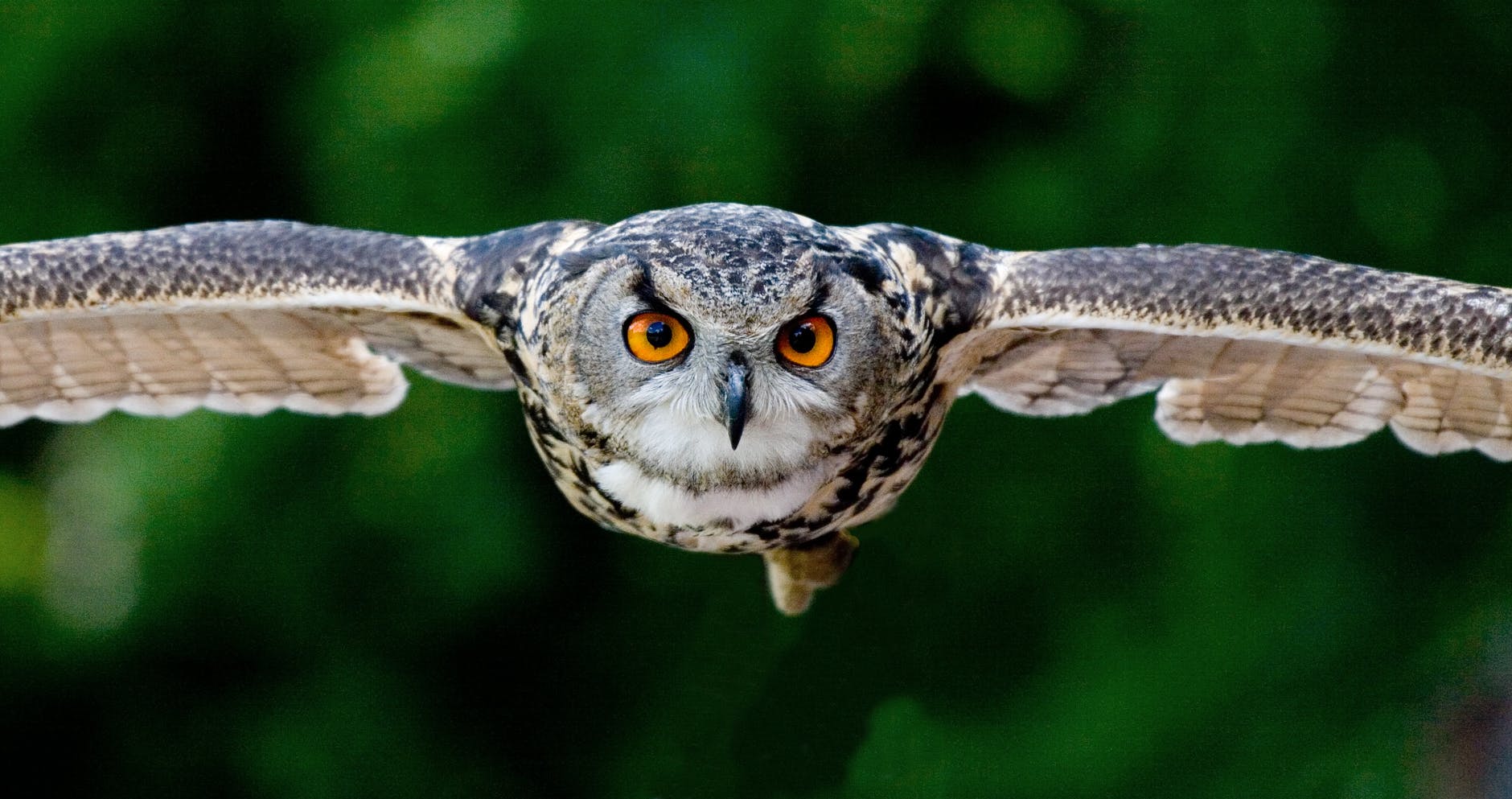
Featured

Finding focus…again and again

Photo by Pixabay on Pexels.com

Creatives often lose focus when they tackle a particular creative project or intellectual problem. They start with great enthusiasm , certain in their bones that they know what it is all about. Then, even after just a few days, it becomes less clear to them what they’re doing.

Eric Maisel

During a writing class this past weekend, the instructor spent some time discussing how to leave a project you are working on to attend to the myriad aspects of daily life that require we do something other than write. But the challenge is, how do you get back to that magical place where your writing energy was high? That place where the why of what you are doing creatively seems crystal clear and words are rushing out of you. Up until something we are pressed to do elsewhere interrupts that flow.

Finding our way back to that creative focus can be one of the biggest stumbling blocks for a writer.

And for some unknown reason I have been labouring under the misconception that this particular problem was unique to me. Gazing at the number of notebooks with unfinished stories, abandoned ideas for books, first lines of poetry on my book shelf causes unbidden feelings of frustration, shame, annoyance to surface. And once those feelings emerge they threaten to overwhelm the thinking part of my brain that understands this is all part of the writing process.

In Eric Maisel’s latest book for creatives, titled, Redesign Your Mind, he notes that “the ways in which creative projects can dim, lose their lustre, and shift out of focus are legion”. So learning more about this aspect of the creative writing process seems paramount if one wants to become a writer who “finishes” their projects.

It seems that this is a typical problem that like most aspects of creative work if understood then it can be solved. I was glad to know that it is not just a “me” problem but one that impacts other writers and creative souls.

One of the suggestions that resonated for me was to develop a habit where prior to leaving your desk or computer or your notebook, that you write out where you think you want to go next, to frame questions that you want to consider or reflect on when you return to the page. Sort of a quasi developed pathway in point form about where you need to go next.

And what if you still can’t figure out where you were going with a piece of writing when you are finally able to get back to it? Then it seems best to simply write and keep writing. The magic seems to be in discovering what you are writing by actually doing it. Sometimes where you finish seems far removed from where you began. And really, what is wrong with that!

happy writing!