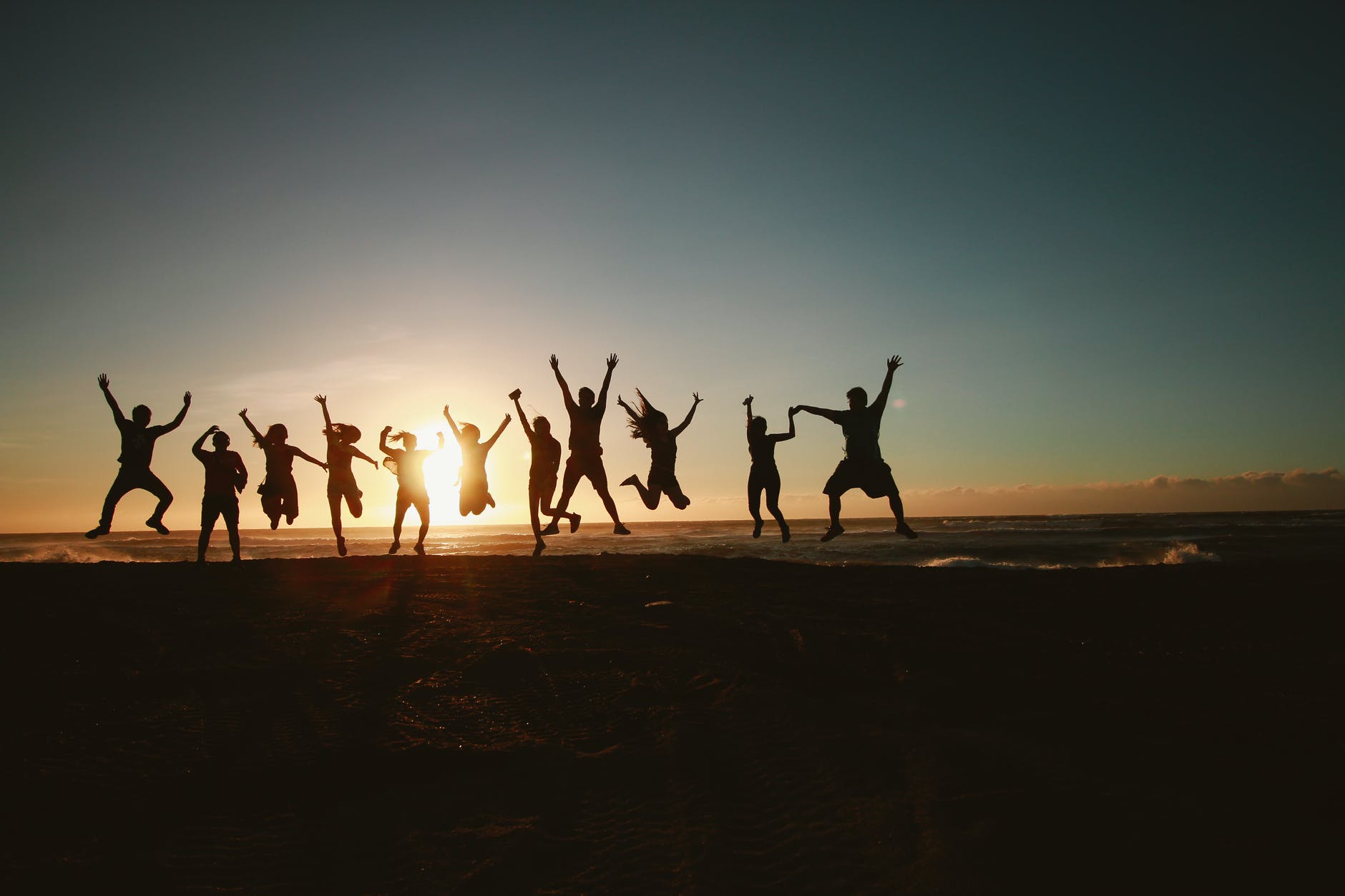
Joys of helping in your community

Photo by Belle Co on Pexels.com

I cannot do all the good that the world needs. But the world needs all the good that I can do.

Jana Stanfield

I don’t know about you but I feel like I am going through my days with a dark shadow lurking over my shoulder. We have been inundated recently by news clips shouting warnings to us that “Omicron” is coming and will be the next virulent variant in our lives. It has taken an extra bit of energy to rise above this and to keep moving forward in a good way.

The pandemic has revealed the stark reality that there are significant divisions in our community. The need to help others by following the lead of inspiring people providing support and sustenance to everyone living in our community somehow shines light in the darkest of times.

Whether it is stocking the community fridge with quality staple foods, or donating warm clothing to shelters that are doing huge amounts of work with scarce financial resources, or writing letters to pressure our government to fund safe consumption sites, there is always a small part for all of us to play in making things a little bit better.

Community based non-profit organizations serve as our moral compass to a roadmap of helping. They also serve to educate about the multitude of unmet needs that have grown larger and larger. Learning about how an individual can help the most may be an eye opening experience. And it dispatches the sense of alienation and isolation that the political machine uses to divide and conquer.

Even with the sensation that another wave of Covid is just around the corner, finding a way to help others provides a sense of well being that is much needed right now. After another year of loss, anxious anticipation, and at times feelings of hopelessness, the timeless art of helping others to help yourself serves everyone in our community. Caring for others as you care for yourself always works – even at the most challenging of times.

Stay healthy and safe!!

Writer’s Block and the Polar Bear Project

Photo by Pixabay on Pexels.com

I’d rather write about polar bears than people

Mary Oliver

Procrastination. That’s what led to my discovery of a fascinating citizen science program close to home. I was stumped by a writing project that up until that day had been progressing nicely. Suddenly words which normally flow, first became fleeting, and then seemed to have simply vanish. Vaporized. So I tried going for a walk. That normally helps. But nothing. In desperation, I sat in front of the television and mindlessly perused the listings when a program about the polar bears in the Canadian arctic appeared.

Intrigued, I soon learned that February 27 marked International Polar Bear Day and our national broadcasting corporation was debuting a new program about the impact of climate change in the Arctic on Canadian Polar Bear populations. Scientists have been signaling concerns about climate change and its impact on the wildlife in the arctic for years. The species that has become the most vulnerable to the devastation of climate change are the polar bears. The area surrounding the town of Churchill, Manitoba located on the Hudson’s Bay is home to one of the largest populations of Canadian Polar Bears.

Changes to Arctic sea ice as the climate on earth becomes warmer, have created dire challenges for the polar bears as they are now forced to wait for longer periods of time to get out on the sea ice to hunt seals which are their primary source of food. Typically, female bears hunt and store enough food to see them through the annual birthing process that may mean they go six months without food or water. Changes to the sea ice mean they now may be fasting as long as eight months.

It also places the humans living close by at risk as the bears venture into the town of Churchill when they seek out the sustenance they badly need and are attracted by the variety of urban smells that signal food is available. Conservation projects have been created to prevent the destruction of these majestic creatures using methods to contain and then release the bears back into the wild. Scientists researching the impact of warmer water and less sea ice are working to collect data to inform the current understanding on the impacts of climate change.

Writer’s curiosity kicks in and I begin a stumbling search on the internet to learn more about conservation in the Far North and search engine magic leads me to The Arctic Bears Project. Citizen scientists are being recruited to assist with data analysis to help answer several research questions through a web-site called Zooniverse.org Researchers from the University of Saskatchewan are seeking volunteers to help analyze data from trail cam photographs about polar bears and other Arctic animals from the Hudson Bay area.

What an amazing opportunity to not only make volunteer contributions to this research but to learn more about parts of our natural world that we will likely never visit. Who knew that having a minor bout of writer’s block would lead down such an interesting path? Check it out – there are projects from around the world on this site that need volunteer citizen scientists. I am thankful this fascinating detour was all that I needed to jumpstart my writing process. And a necessary reminder about the impacts of climate change on the natural world that surrounds us.

Stay healthy and safe!