Notes from the Drive Through Vaccination Clinic

Photo by Anna Shvets on Pexels.com

Vaccinations are being rolled out in our community according to criteria such as age, health care professionals, etc., and based on supply. A special opportunity arose in our city, which has had a concerning spike in variants in the past two weeks, for people in my age category to receive the first dose of a Covid – 19 vaccine at a drive through clinic. Not something that I have ever experienced before but I jumped at this as soon as I heard it being announced.

So I arrived early this morning just as the clinic was set to open and found myself driving towards long lines of cars. Typically this parking area, dull asphalt grey, is used for professional sporting events, exhibitions and a giant agricultural show. Now it has been transformed into a health care staging area! By the time I had parked, and scoped out my surroundings, I quickly realized two things. First, there were so many cars that I couldn’t actually understand how the queue was to work and second, as people parked both beside and behind me, I would not be leaving any time soon. So, with no chance to change my mind, I settled in for the journey.

A kind young woman came to my car and asked to place a card on my windshield so that they could use my arrival time to assess what the actual wait time was to receive a vaccination. Sure, I said, and what exactly is your best guess at the wait time. Five hours she said, then quickly pointed out the portable washroom facilities and wished me a great day! As I looked around me, I saw one of my new neighbours reading a book titled, The Power of Habit” and the woman in front of me opened her trunk revealing a cooler and a lawn chair.

Most people seemed to be using their cell phones and for the first hour, it was relatively quiet in our area of the gigantic parking lot. After about an hour, I was feeling stiff and somewhat uncomfortable so got out of my car to stretch and to determine how the lines would work. There didn’t seem to be any traffic moving towards the buildings that I assumed we would be driving into. I could also see that people were becoming a bit restless and some headed off to use the facilities. It occurred to me at this point that there might be long lines for those as well.

So I decided not to drink very much liquid and to wait as long as possible. I set off for a long walk and marvelled at the number of vehicles that kept coming and watched as new lines continued to form well beyond where I was. Walking back to my car, I began to gather a sense of how the traffic would flow once lines began to move. People were now mostly outside of their cars, the gentlemen beside me having abandoned his reading material and now had begun cleaning his headlights. Several people climbed into their truck beds to video the scene and to survey what was going on.

I spoke with a woman who commented that she was most grateful for this opportunity and I heartily agreed. Hard to be cranky about waiting when you were about to receive something that potentially could be life saving. The weather is fully cooperative, with soul warming sunshine and little wind. I try and read a bit and write some words but am finding myself too distracted by everything going on around me. Finally, the line beside me roars to life with cars starting and I realize we are soon to be next.

The journey continues. Albeit it is slow and meandering and I still can’t visualize where we will end up. Another hour of slow, steady driving towards a certain destination that must be within eyesight but the line of cars snakes around corners. Eventually, the building we will enter is suddenly before us and it is clear where the line finally ends. Once inside, cheerful, proficient professional nurses are administering vaccines and once completed, we are directed outside to a parked area manned by Emergency medical services personnel for the final 15 minute wait.

Five long hours seemed insignificant compared to the challenges of this entire past year. So glad, and so grateful to have had this opportunity. I will celebrate as our community continues to receive the chance to be safer and to stay healthy. Let’s hope that the next several months bring about the changes we have all been waiting for.
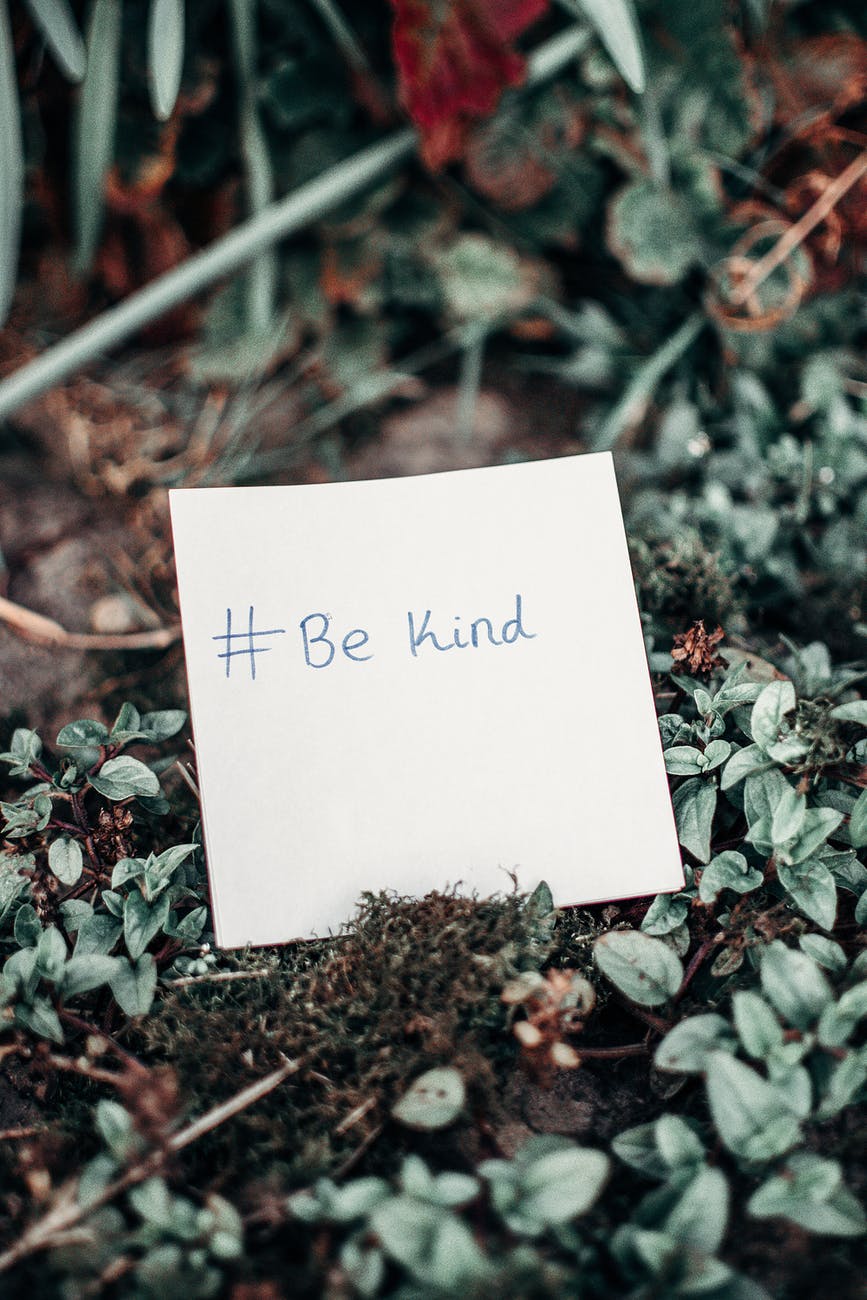
It doesn’t cost anything to be kind

Photo by Lisa Fotios on Pexels.com

If you want others to be happy, practice compassion.

If you want to be happy, practice compassion

Dalai Llama

As we approach the one year anniversary since the pandemic began, the voices in our community have become louder and at times, difficult to listen to. We have all had to face our internal reactions to the impact that this virus has had on our lives. And as a general guideline, reactivity tends to come from a place of fear or a need to exert control over some aspect of our lives.

Across the globe, we are seeking hope and imagine positive outcomes with new vaccines. And at the same time we seem to be exposed to constant anger and frustration lurking at every turn about a myriad of issues. It seems that many places around the globe are coming to grips with the realization that public health guidelines will need to remain in place for some time to come. Loosening restrictions won’t occur overnight and will likely be scaled back at a snail’s pace.

We watch, we listen, and we interpret information that is constantly shifting and changing. It seems at times that the learning curve about this virus and what we need to do about it, continues to become steeper and steeper.

All the while, we need to recognize that every person has their own way of managing through this experience. If we find ourselves constantly judging the actions and behaviours of others, we are likely not paying that much attention to what we are doing. Whether we realize it or not, we are all in this together and healing comes from a place of reflection and compassion.

Many of us may be concerned about the financial, emotional, and social costs to this pandemic, but there is one critical option available to each of us. And there is no cost to it whatsoever.

And that is to internalize and practice kindness. Kindness, both in thought and actions towards others as well as to ourselves, is free and comes without strings attached. Instead, when we come to the people, events and circumstances in our lives from a place of kindness, it generates positive actions which allow us to move forward in good ways.

And wouldn’t it be much easier to navigate through this next year if there was more kindness circulating in our world. Be kind to yourself. And be kind to others.

Stay healthy and safe!

Writer’s Block and the Polar Bear Project

Photo by Pixabay on Pexels.com

I’d rather write about polar bears than people

Mary Oliver

Procrastination. That’s what led to my discovery of a fascinating citizen science program close to home. I was stumped by a writing project that up until that day had been progressing nicely. Suddenly words which normally flow, first became fleeting, and then seemed to have simply vanish. Vaporized. So I tried going for a walk. That normally helps. But nothing. In desperation, I sat in front of the television and mindlessly perused the listings when a program about the polar bears in the Canadian arctic appeared.

Intrigued, I soon learned that February 27 marked International Polar Bear Day and our national broadcasting corporation was debuting a new program about the impact of climate change in the Arctic on Canadian Polar Bear populations. Scientists have been signaling concerns about climate change and its impact on the wildlife in the arctic for years. The species that has become the most vulnerable to the devastation of climate change are the polar bears. The area surrounding the town of Churchill, Manitoba located on the Hudson’s Bay is home to one of the largest populations of Canadian Polar Bears.

Changes to Arctic sea ice as the climate on earth becomes warmer, have created dire challenges for the polar bears as they are now forced to wait for longer periods of time to get out on the sea ice to hunt seals which are their primary source of food. Typically, female bears hunt and store enough food to see them through the annual birthing process that may mean they go six months without food or water. Changes to the sea ice mean they now may be fasting as long as eight months.

It also places the humans living close by at risk as the bears venture into the town of Churchill when they seek out the sustenance they badly need and are attracted by the variety of urban smells that signal food is available. Conservation projects have been created to prevent the destruction of these majestic creatures using methods to contain and then release the bears back into the wild. Scientists researching the impact of warmer water and less sea ice are working to collect data to inform the current understanding on the impacts of climate change.

Writer’s curiosity kicks in and I begin a stumbling search on the internet to learn more about conservation in the Far North and search engine magic leads me to The Arctic Bears Project. Citizen scientists are being recruited to assist with data analysis to help answer several research questions through a web-site called Zooniverse.org Researchers from the University of Saskatchewan are seeking volunteers to help analyze data from trail cam photographs about polar bears and other Arctic animals from the Hudson Bay area.

What an amazing opportunity to not only make volunteer contributions to this research but to learn more about parts of our natural world that we will likely never visit. Who knew that having a minor bout of writer’s block would lead down such an interesting path? Check it out – there are projects from around the world on this site that need volunteer citizen scientists. I am thankful this fascinating detour was all that I needed to jumpstart my writing process. And a necessary reminder about the impacts of climate change on the natural world that surrounds us.

Stay healthy and safe!

Discovering abandoned writing

Art is never finished, only abandoned

Leonardo da Vinci
Photo by Pixabay on Pexels.com

Frigid winter temperatures and pandemic isolation have forced me to embark on another phase of clearing out clutter that mysteriously accumulates in my home. Discovery of a box placed high up on a shelf, both out of reach and out of eyesight, recently led to an interesting find.

Blowing off decades of dust, I opened this innocuous cardboard box, both puzzled as to what was inside of it and wondering why it was languishing in that spot unnoticed. Curiosity welled up inside of me. Along with a small buzz of excitement as recognition dawned about what it might contain.

Dozens of cheap notebooks were neatly stacked inside. Hilroy brand with narrow lines, three holes punched in them while sporting traditional colours: yellow, blue, green, and an odd dull shade of red. Reminder of a time when I had once poured my heart and writing soul into the craft of writing.

Flipping through them, I read past attempts at short fiction, poetry that badly needed line breaks, and pages of ideas for essays. Today I guess we would call that genre, creative non-fiction. Some random journal entries, typically melodramatic rather than upbeat but clearly delineating the timeline of the writing. Decades old from my university days and slightly beyond.

Character sketches. Plot outlines. Prose written with far too many adjectives. Ideas for a novel. As I read, becoming rather engrossed in the words written by my much younger self, I knew that my clutter clearing project was going to be placed on hold. Most of the notebooks had many blank pages. It was almost as if I must have started to use a new notebook whenever I made a renewed commitment to developing a writing practice.

As I read through these notebooks, I felt an emerging sense of creative energy. Looking at one of pieces of short fiction, I wondered if it would better lend itself to a flash fiction piece. Moving quickly to the computer, my now preferred way to craft prose, I began reshaping the words that once were in my mind so many years ago. And realized how thankful I am for this unexpected opportunity to rediscover these abandoned words.

Stay healthy and safe!

Objects in the rearview mirror..

Photo by Pixabay on Pexels.com

One can only wonder after watching the horrifying events at the United States capitol during the first week of January, about the legacy the former president leaves behind and how he will be remembered. Even as this final chapter concludes with yet another surreal political event as the GOP has failed to uphold impeachment charges for “incitement of insurrection”, it seems like the United States will remain deeply divided for a long period of time.

Once the brakes were finally used to stop this man’s penchant for using social media as a vehicle to unleash a litany of questionable statements and at times, incendiary rhetoric, things seemed to have toned down. This does little to distract from the likelihood that he will fail to be held to account for the fatalities that occurred on January 6th or the trauma imposed on public servants and indeed, the country. And given the power that he seems to hold within the Republican party, the muting of his voice is likely only temporary.

To an outsider, the past four years of American politics have seemed like a bizarre farce playing out on a reality type television show. With the second impeachment trial now concluded, and millions of individuals still standing firm in their populist, racist, destructive viewpoints, I can’t help wonder and perhaps, worry that what this man has done will not in fact be understood with accuracy but instead glorified.

I hope that this object in the rearview mirror does not appear larger than it really is.

Stay healthy and safe!

Searching to find words this winter

Winter knows to

hush,

still,

listen,

so the soul can

speak

Angie Weiland-Crosby
Photo credit L Meyer

As the winter drags on, a polar vortex descends, blanketing most of the western Canadian prairies in temperatures so cold they are labelled as extreme and dangerous. Suddenly it seems that any motivation I have to write has disappeared. It’s simply vanished.

Winds outside my window howl, gusting relentlessly, siphoning moisture from the air. Skin cracks easily, becoming almost lizard like, now sucking up even the strongest of lotions. Constant reapplications makes it hard to hold a pen, my favoured writing instrument. Outside adventures are placed on hold, walking from room to room in my home now serves as the only form of daily exercise.

Why is it so difficult to create, I find myself wondering, to become inspired, to write when these horrid weather conditions descend upon us? Puzzled by this, I have been searching for answers, seeking motivation from outside of myself. Likely the wrong place to find the solution to this.

Gazing out the window of my office this morning, my treasured writing space, I notice that frost builds incredible patterns on windows that appear to dance during the sunrise. Backlit by the red glow of the sun, I am drawn to the shimmering vision before me.

Tiny intricate designs are there if one looks carefully, hiding beauty, revealing the apparent nature of creativity that surrounds me. A dawning realization emerges in my mind, and suddenly a different kind of energy begins to take shape within.

Finally, words begin to form in my mind’s eye, ideas begin to excite. I move to my desk and although somewhat stilted at first, like an ice jam that suddenly begins to thaw, the winter words seem to release and move onto the page. And just like that, I find that I can write again.

Stay healthy and safe!

To haiku or not to haiku…

I think it’s forced me to be in the moment, to pay attention, to think about connections, and to look at things in different ways.

Christine Watson
Photo by Pixabay on Pexels.com

Earlier this week, an online news article caught my attention and has been the impetus for a new creative daily exercise habit. A Canadian woman, Christine Watson began writing a daily haiku on April 7, 2020 as a part of her participation in a free global art project – The 100 day project. But once the 100 day mark was up, she didn’t stop.

Describing writing daily haikus as a habit she couldn’t stop, her journey of writing these short poems defined by 3 lines, and 17 syllables, continues. Seeking inspiration from all around her seems to have served to be not only positive and grounding in spite of the chaos in the world around us, but has captivated many people.

Integrated with photography, her daily haikus posted online, have stimulated creative activities both within her family and her community. Coincidentally, the same day I read about this unique approach to developing a daily creativity habit, a library book I had placed a hold on became available. Natalie Goldberg has just published, “Three Simple Lines – A Writer’s Pilgrimage into the Heart and the Homeland of Haiku”.

Feeling energized by the possibilities of this creative practice, I have begun filling pages of my writer’s notebook with what are certainly novice attempts at haiku. This poetic device on the surface seems simplistic but I suspect the complexity of this art form will take a long time to develop.

Galvanized by both Christine Watson’s story and Natalie Goldberg’s newest writing book, this feels like something worthy of focus. As with any type of creative exercise, this often seems to beget more creativity. So it seems like it should be a win/win kind of thing. The only downside I can see is that you shouldn’t do this too late at night.

Or you end up counting syllables instead of going to sleep.

Stay healthy and safe!

Permission to take a deep breath…and

The world seems to be spinning faster and faster, veering out of control, and heading to who knows where. The irony is that most of us are not even in it unless we are masked, six feet apart, and are only out for some type of essential purpose. We are isolated, working from home, worrying about things we may not be able to see and certainly are unable to control.

News cycles bring more negativity even when we should be celebrating certain events like the change in United States Presidency (finally!). Actually, the end of an era south of the border seemed like it might have no end. And who knows if the constant chaos will continue to reign triumphant due to bitter seeds sown of hatred, racism, and greed now fuelled by so many.

New variants of Covid, not enough production capacity to produce vaccines, bizarre weather patterns bringing temperatures to warm then plunging into frigid arctic cold, all accompanied by a simmering anger that so many are indulging in. Protests that seem to pop up daily with no real solutions and thoughts for change that might benefit all of us.

Political shell games, ruthless economic decisions, and the grinding list on the negative news cycles that seems to be endless. Conspiracies perpetuated on social media that seemingly intelligent people believe, and share which just serves to fuel the spread of both inane and vitriolic theories like greased lightening. Good grief!

Rest, refilling our wells to live our lives in a positive way, seems critical whether we are isolated or not. Sometimes doing nothing may be the best thing we could do for both ourselves and others.

Stay healthy and safe!

Climate change: Up way too close and personal

Photo by Josh Hild on Pexels.com

We’re in a giant car heading towards a brick wall and everyone’s arguing over where they’re going to sit.

David Suzuki

Last week, we endured one of the most bizarre winter storms ever seen on the Canadian prairies. Unusually warm weather has been with us since the new year, almost unheard of in the month of January which normally is referred to as “frigid”. Our day began with rain, lots of it, coating everything in ice as the day progressed and winds picked up and snow began to fall. This arctic blast continued to escalate as day became evening and soon the wind outside our house began to sound like a freight train.

Winds battered houses, toppled trees, mangled traffic lights, wreaked havoc on outbuildings in rural areas, and culminated in a province wide power outage. Meterologists who measure wind speed gave this particulate blizzard an EF-1 wind rating normally used for tornadoes. There were hundreds of stranded drivers on highways across the province and many accidents. Given our hospitals are full of people with COVID-19, it was incredibly fortunate that there were no serious injuries.

But the power outages lasted for hours and hours as the winds continued to howl and blow with phenomenal speed rendering it impossible for anyone to fix the lines. Our power company claimed that “galloping lines” were to blame, meaning power lines were blown into each other with many toppled and exploding. Hour after hour, homes became colder and colder as the day progressed and the storm continued to rage on.

Those of us living on the Canadian prairies routinely experience the wrath of mother nature especially during the months of January and February. Usually temperatures this time of the year are bitterly cold and any amount of wind results in what is known as “windchill” which can result in frostbite within minutes. So we are not strangers to harsh weather where your nostrils typically feel like they are melded together when you venture outside and lack of moisture content in the air makes your skin dry and peel.

But this weather system seemed markedly different. Arctic blasts with lots of snow, and whiteout wind conditions knocking out part of our power grid has definitely happened before. But this one seemed so unusual. Rain coating everything on the Canadian prairie is not typical. Nor are winds sustained at tornado levels for more than a few hours rendering it impossible to restore electricity and power.

Hours dragged on with no way to contact the power company and no way to know how long houses would be without electricity. Rows of houses sat silent, and dark, and growing increasingly cold as day became another night. A global pandemic with escalating active cases meant not many places for people to go and warm up. You’d think this would be a wake up call for all of us. How could we live on the cold, Canadian prairie without the means to heat our homes.

These types of weather events have increased in the past few years around the globe but the strangeness of this storm should help quell the rhetoric from the local climate change deniers. At least until the spring. Then we will like see a resurgence of protests against carbon taxes, green initiatives, and demands that more resources go into the fossil fuel sector. Good grief!

One can only hope that following the pandemic, we turn our collective attention to climate change and begin to pay heed to what nature is demanding we work to reverse. This storm was an awfully unpleasant wake up call that was too close for comfort. Let’s hope we move to action to reverse or at the very least, halt the devastation that we have done to our planet.

Stay healthy and safe!

Do your Dreams have an Expiry Date?

Photo by Pixabay on Pexels.com

Dreams are meant to be followed. Have the courage to follow yours. Do things that challenge you, scare you, and make you feel alive.

Liz Pearson

Have you ever found yourself struggling with frustration during these difficult days because your most cherished hopes and dreams seem elusive and outside of your reach? When we are unable to meet our deeply held dreams and goals in our lives, we may feel that our lives have become stagnant, lacking in purpose, or that we have drifted off course.

At times, our life circumstances become the barriers to achieving the dreams that we cherish the most and secretly hold onto. There are a myriad of reasons that could prevent us from reaching our dreams at different points in our lives. Dreams may recede, lose their magnetic pull, be impractical, or simply become replaced by new ones.

Sometimes it appears that we have discarded our dreams and never expect them to play a part in our lives in the future. There are numerous possibilities that alter our life dreams. Self-doubt. Self-criticism. Inertia. Lack of time, resources, a global pandemic, etc.

But, do we need to give them up altogether, when daily living, responsibilities, and obligations may interfere with what we are most passionate about.

We have the ability to place dreams on hold rather than give them up completely. As we age, the internal clock that guides us, begins to tic louder and louder. We may begin to experience the urge to throw caution to the winds and face our challenges and our fears to try to move forward to realizing our dreams. For me, this urge has become stronger as I have become older.

Our time is limited and we should pay attention to those inner voices that prod us to take action. Dreams are meant to be pursued. You really never will know what is possible until you take a risk and move towards the dream that is calling to you. Begin someplace, anyplace, so long as you start to experience a sense of momentum.

Taking small steps towards what inspires passion and purpose within us becomes critical to our creative well-being. Roadblocks in our way simply suggest that it is time to pivot and find new ways to reach our goals, our hopes, and our dreams. This pandemic may have caused some of us to place dreams on hold in order to adapt to this new reality. But it shouldn’t mean that we lose them forever.

I don’t believe that our dreams have expiry dates – do you?

Stay healthy and safe!