Featured

Taking time for goal reflection

Photo by Pixabay on Pexels.com

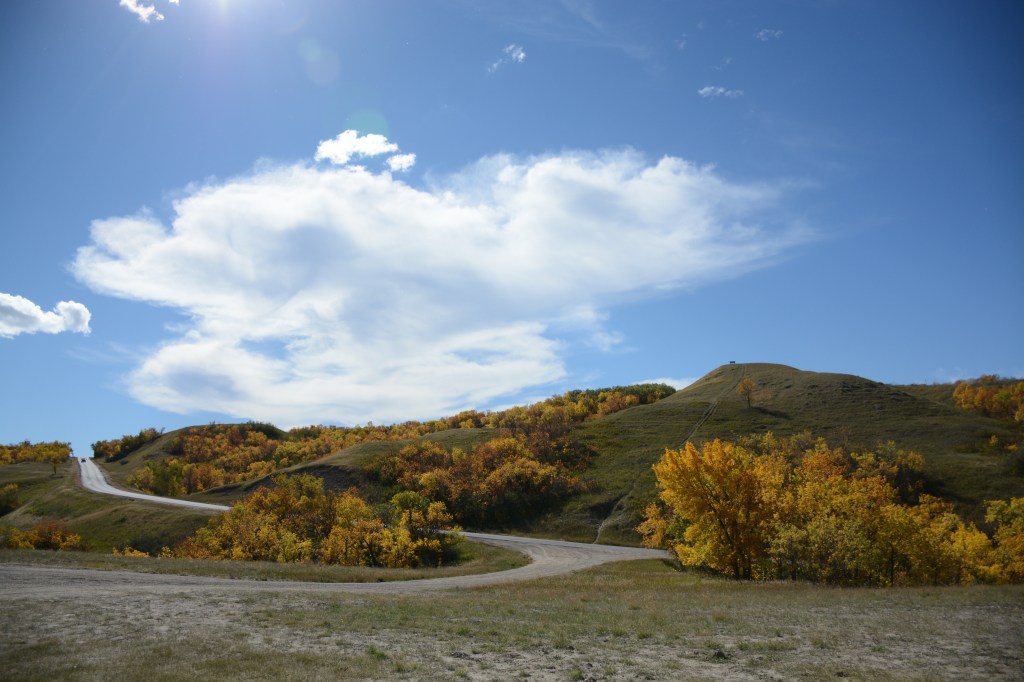
If you think towards your goal, your energies – and other people’s energies too – will be directed towards it. Every decision you make will contribute towards it. Even if you don’t achieve your ultimate goal, you’ll be further ahead than if you didn’t have the goal in the first place.

Elise Valmorbida

In our work lives, most of us spend at least one time per year to assess goals, evaluate progress, and even determine new ones. This evaluation process is for the most part widely accepted and could be considered simply par for the course. There are a multitude of reasons why we want to continue to grow and develop our knowledge and skills in the work arena.

But other areas of our lives often come up short in the goal setting and evaluation process. It’s like if we don’t have a “boss” to guide the process, it might not happen.

If we don’t focus on our passions, our creative interests in the same manner, they seem to languish and stall. Self-defeating expectations about what our inner artist should be doing are often unrealistic. This often provokes self-criticism leading us to abandon things long before we should.

When we begin something new, such as creative writing, making art, taking photographs etc., we have tons of energy and that beginner’s state of being is almost blissful.

But to continue on with any creative activity, we need to take stock of what we don’t know and find ways to fill those learning gaps. Just like we would do at work. So instead of letting things go prematurely or entering a state of stagnation, it becomes critical that we need to spend some time in goal reflection.

Figuring out what and where we need to go next and accepting that there may be a lot of gaps in our knowledge and skills sets can be uncomfortable. And that is totally fine. In fact, most new learning occurs sequentially where we must develop a skill which we can then build on in order to keep moving forward.

While on one level intuitively, we may know this, it may be difficult to accept that in order to grow our art practice, there is a continual learning curve that requires serious effort. And goal setting may be an important vehicle to take us where we want to go. So just like that yearly evaluation process you do at work, try working through a similar review with yourself to gain a better understanding how you can best grow as a writer, as an artist.

Reflecting on this is also part of the work. And just like in the world of work, this may be easier said than done.

Happy creating!!
Featured

Reflections on writing process

Photo by Sindre Fs on Pexels.com

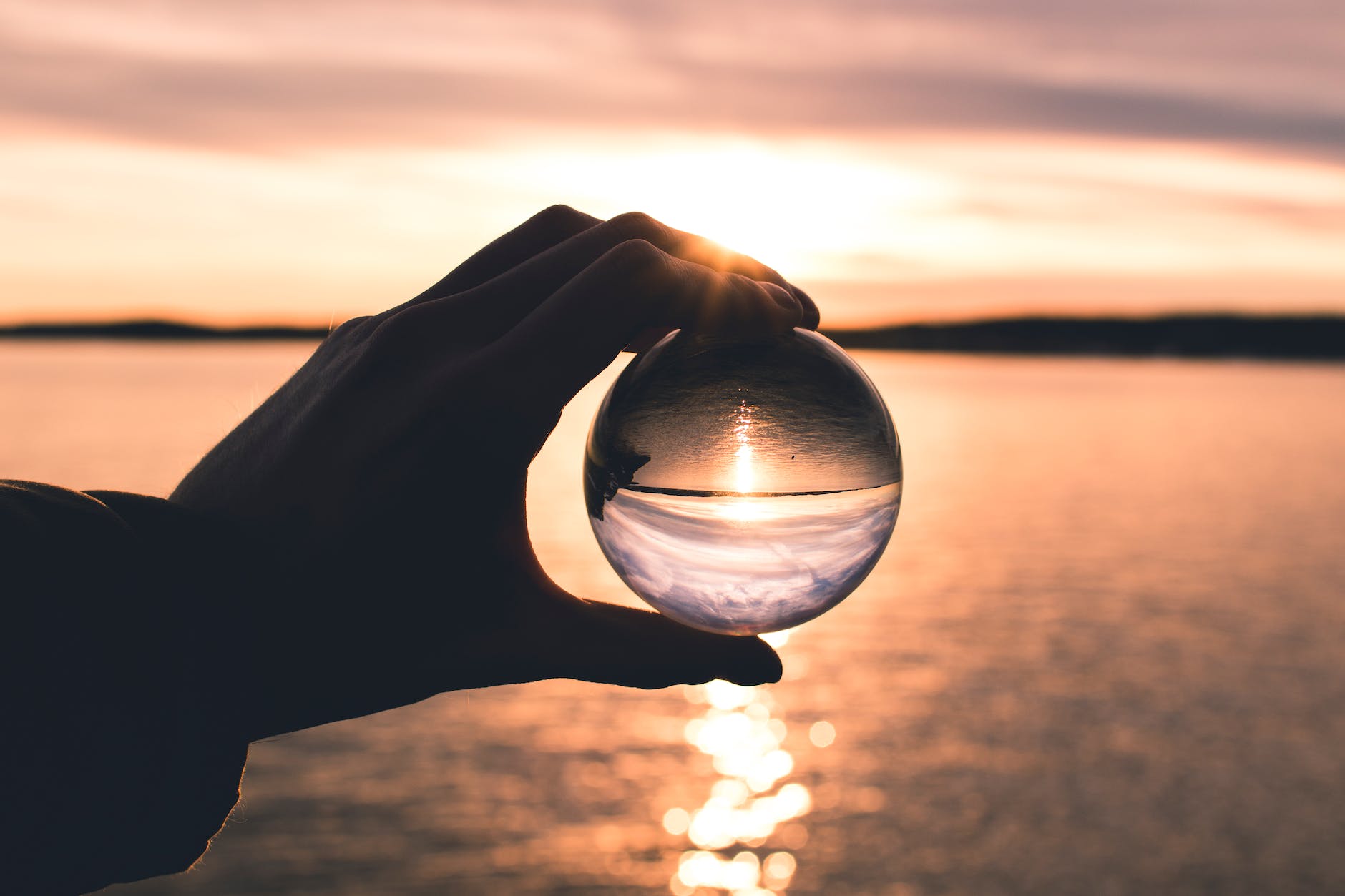
A writer is someone who writes. You have done it; you have expressed yourself on paper. Getting started is almost always picking up an old dream, an old desire. Getting started is usually getting started again.

Pat Schneider

I have discovered there is no easy way to begin writing. You simply have to sit down and do it. For the past several years, I have been keenly interested in how other writers work. How do they ensure their creativity flows best? Do they choose a particular time of the day to unleash their muse? Or is it the medium they use. A computer, writing longhand, or through dictation. Do they choose to use a writer’s journal to capture random bits of imaginative flotsam throughout the day?

Perhaps they use a specific type of app, or a special pen. Leather bound journals, plain paper, or lined notepads? The quest to understand what tools other writers use often mirrors the desire we possess to tap into the writer’s path easily, instantly, or perhaps through a magical manifestation.

But we all have rhythms that influence our ability to work, to write, to rest, and to reflect that we must discover for ourselves. There is no trick to the writing life and what works for other writers may be helpful but won’t transform us. Our way into the words we must bring forth and express seems to require both trial and error and meditative reflection on what works.

Learning to shed fears, worry about judgment from others, self-doubts are as important as routines, writing tools and process. Finding your way into writing what you need to often requires a simple beginning. Pen to paper, fingers on the keyboard, and just start letting the words flow as they need.

And understanding that every day you return to write, requires that you have to get started all over again.

And that’s just fine.

Happy writing!

Featured

Titles: Discovering the soul of your story

Photo by Victor on Pexels.com

A title has a big job. It is the first thing we read. It gets our attention and highlights the tenor of the piece. It’s shorthand for the tone, perspective, and content.

Bonni Goldberg

Having spent the past couple of days editing, reworking, and in some cases, re-writing pieces of flash fiction that have been languishing in a folder, titled, “not finished”, it dawned on me that choosing a title is a critical part of craft. And it is one that presents as simplistic but is more difficult than it sounds.

For many of the pieces of short prose that I had abandoned, the working titles chosen no longer seemed to fit. Like a broken puzzle piece, a poorly crafted title leaves a gap, a tiny void that grows larger through the distance of time. Flash fiction could be characterized as a full story living in a tiny space where the economy of words requires each choice be meaningful.

And the title is not merely the beginning but should reflect the essence of the story’s meaning or its soul.

So I took time to approach this task with a sense of playfulness – drafting at least ten titles for each story and then leaving it for a day before returning to see how these new possibilities lined up with meaning of what I had written.

My discovery through this process led me conclude that titles are a bit like shapeshifters. Through the kaleidoscope of reflection, there are different ways to present the meaning of your story and titles do in fact, play a leading role.

This seems somewhat parallel to the manner in which we use titles in our day to day lives. We frequently describe ourselves through title, usually with intent to announce to the world our successes or achievements. Rarely do we refer to ourselves based on our relationships, our place in the world, or the things that have the most intrinsic meaning to us.

Imagine attending a meeting, or some type of social event and introducing yourself as who you are – a mother, a wife, a daughter, etc., rather than what you do or where you work.

So if a title reflects the soul of story, whether it is one we have written or our own work in progress, it makes sense that considerable time, energy, and thought go into what it should be.

Happy writing!

Featured

It’s a wrap

Photo by James Wheeler on Pexels.com

It is always important to know when something has reached the end. Closing circles, shutting doors, finishing chapters, it doesn’t matter what we call it; what matters is to leave in the past those moments in life that are over.

Paulo Coelho

Bitter arctic air has descended bringing dangerous temperatures that are forcing prairie people to hunker down in our homes. What better time to reflect on the year that has past than now? Listening to Joni Mitchell’s, the River on repeat interspersed with Leonard Cohen’s, Hallelujah serves to set the background for my year end reflection and introspection.

This year has been a rollercoaster and I vacillate between thinking about those moments when the virus retreated which were far too short along with those longer times when it seemed like it would never end. But there is something healing about making the effort for reflection. It seems right to stop and think deeply about where you have been and what the meaning of this journey has been over the course of 2021.

Flipping through sporadic journal entries made over the past twelve months reveals that I did in fact accomplish everything I set out to do to further my goals as a writer. Seems ironic as my recent mindset has been stuck in a place of agitation and frustration that I haven’t accomplished what I wanted to this year because of the pandemic.

But like so much else this year, that is an illusion. My writing practice definitely was strengthened by participating in two excellent immersive flash fiction courses this past summer. At times these generative writing activities flowed like a summer river producing some interesting pieces of work. I published one single story this year and have decided that is cause for some celebration.

And I realize that if you procrastinate and don’t submit pieces of writing that seem finished, your work will never be released into the world.

At other times, working on other projects, taking a break and laying fallow produced surprising results. So that needs to be considered as a necessary part of the work of a writer. Being creative in other ways results in a combustible spark that pays off if you don’t give it too much thought. And really working to achieve a level of focus needed to edit a piece of writing is as important as the generative stuff. Maybe even more so.

Connecting with fellow writers eases the strange world we find ourselves in. It is uplifting to know that we are not alone. My gratitude and heart felt connection to the members of my writer’s group tethers me to this craft and to them in ways I never anticipated. And taking time, of which I seem to have in abundance, for reading also connects me to the world of writers. Writing once per week here continues to anchor me and gives me courage to set my words free.

So although 2021 is ending and I am not sad to see it go, there is much that has been learned through this year, and much indeed to feel thankful for.

Happy Writing and Happy New Year!

Winter Solstice: Time of letting go

Photo by Ruvim on Pexels.com

It is a time for acknowledging hope in the darkness, while waiting for the light to return.

Lynda Monk

People in the Northern hemisphere have just finished celebrating Winter Solstice in quieter ways but still with strong interest during this powerful time. Many use this time of darkness as a traditional marker for letting go our concerns that weigh us down; releasing those that no longer meet our needs or suit our current life purpose. It is a time of inviting hope into our future as the days grow lighter and lighter.

The time of a winter solstice invites us to reflect on nature’s ebbs and flows; a mirror for those ups and downs we have experienced during this year of 2021 which seem more pronounced than past years. It seems we are being urged to listen more deeply to the rhythms of our natural world and to pay greater attention. We may be encouraged to approach those in our lives with an extra measure of kindness and caring.

As we move through these trying times, our reflections serve to help us focus on what matters most in our lives. Nature’s powerful lessons about being in darkness and then entering the cycle of light serve as reminders that difficult times move along and so will we. This message of hope demands that we pay more attention to the aspects in life that have the most meaning for us.

May you stay healthy and safe wrapped in the love of all of those who matter most in your lives.

All the best during this holiday season!

Really, what’s in a name?

Photo by Angela Roma on Pexels.com

Names are not important. It’s what lies inside of you that matters

Sarah J. Maas

Confronted by a blank white screen during this morning’s writing practice and finding myself equally as blank, I flipped through a notebook looking for ideas. Anything to get words out of my head and onto the page would suffice. I found an exercise that I thought looked interesting although its genesis uncertain but it seemed likely to be short so I decided to give it a try.

Here’s what it was: To start, use a web search to look at the origin and meaning of your name. Consider if your research fits with your sense of self, your identity, values and beliefs. Does it reveal context around the time of your birth? Would another name work better? If so, how would those around you react to this change.

I landed on the web-site, behindthename.com and placed my given name in the search bar. Intrigued, I scrolled through the results, taking in the origin of my name – Germanic noted to have a Spanish equivalency. Meaning words: flexible, soft, mild, beautiful. Then I moved into the coloured graphs that indicate the popularity of the name, the decades when it was used most often. Listings displayed were indicated by countries in the world where the name was used most frequently then tapering off as the name began to wane in popularity.

I could see that my name’s use was popular at one point in time and then fell off rather abruptly right around the time I was born. A tab with ratings on a myriad of characteristics showed me that my name is classic, wholesome. A comments section led me down a rabbit hole of a wide range of opinions about the name and people who like or dislike it. And finally, a tab for a section titled, namesakes, which contains a comprehensive listing of popular people and fictional characters in literature, movies, etc that share my name.

Interesting but reflecting on whether or not my name fits best with my sense of self and identity seems like a question best not asked. I can’t imagine not having the name I was given. And really the descriptors used on this web-site were generic rather like a syndicated horoscope in the daily newspaper. A person’s sense of self includes recognition of your name but there are so many complicated aspects of who we believe we are.

But curious about the meaning of names, I began looking up names of my family members and close friends. Some aspects of the meaning of names fit people in my life like a tailored suit and others seemed more generic like a one size fits all type of thing. I’m not certain there was anyone who should have a different name other than the one they already possess.

But learning more about the context of names in addition to the origins and meaning provides a window into determining what to name characters when writing fiction. Thinking about amplifying aspects of the person you are writing about can be a complex and nebulous effort. Landing on a tool to narrow and sharpen your lens through a focus on the origins and meaning of name could be helpful.

And this simplistic exercise did what I initially wanted it to do. It provided a quick kickstart to this morning’s writing practice and a possible strategy for naming fictional characters. As for the rest of it, my sense of self remains intact and I can’t imagine having any other name than what I was given at birth. But the joy in writing is the opportunity to play with alternate realities and to feel those creative sparks!

Stay healthy and safe!

Fall, nature’s reset button…

Photo L Meyer

Is this not a true autumn day? Just the still melancholy that I love – that makes life and nature harmonize.

George Eliot

Weather extremes on the Canadian prairies mean that it is critical to take advantage of every opportunity that presents to seek solace in nature.

This year, in particular, it seems more urgent to escape the angry noise of the strange and unusual world around us.

Scaled back Thanksgiving celebrations again this year mean connections are abbreviated so simple pleasures have taken on heightened meaning.

Carving out time for reflection rather than turkey, simmering savoury soups with mature garden vegetables, and enjoying the crunch of leaves underfoot.

Perhaps the slowing and semi-isolation will give rise to new creative energies, appreciations for the things we take for granted, and time to pay attention to what is truly important in our lives.

Happy Canadian Thanksgiving!

Stay healthy and safe!

Itching for change

Photo by Pixabay on Pexels.com

Nature is never static. It is always changing. Everything is in a constant state of flux. Nothing endures. Everything is either in the process of either coming into being or expiring

Kilroy J. Oldster

Faced with the tedium of being isolated and restricted from our normal activities for the past 15 months, many of us have used this time to reflect on our lives and ask ourselves some key questions. Am I really doing what I want to be doing. How I spend my time – is it in a way that’s fulfilling or has purpose. Perhaps the increased need to search for meaning has been pushed by an awareness of the fragility of life forced upon us by the pandemic.

Often when we are stuck in one place especially by circumstances beyond our control, we gravitate to daydreams of change in many aspects of our lives. Humans crave novelty, we seek dopamine hits from new experiences, foods, relationships, places, etc. We seem to have a craving for action even when it may not be in our best interests to make massive or even minor life changes. Researchers are beginning to track the number of changes in jobs, places people live, and relationships that are escalating at an unprecedented rate due to the pandemic.

Feeling stuck often prompts us to make rash decisions when it might be better to simply stay the course and ride out the emotional wave that accompanies this unusual time. Changing situations doesn’t miraculously improve our lives and if we don’t spend time planning and reflecting then rushing towards something not well thought out, things may get worse not better. Common advice is usually to stop to consider whether you are running towards something or running away from it.

As large numbers of people move from their homes, change jobs, leave relationships, during these tumultuous times, these ripples will likely be felt throughout the globe. This pandemic as the ultimate disruptor has upended many lives through job loss, loss of loved ones, and as major life plans became disturbed.

But creating these changes when they have not been forced upon you without careful thought or consideration can have similar results.

Although I have been struggling to scratch the itch for change, it seems prudent to spend a bit more time in reflection and find some safe alternatives to bring what might be missing into my life. It is indeed a powerful force that requires mindful attention. It is helpful to recognize the space where these feelings may emerge from. And the old adage to look before you leap still has a place in our lives.

Stay healthy and safe!

Celebrations and lessons learned upon reaching a goal

Photo by Anna-Louise on Pexels.com

You can’t hit a home run unless you step up to the plate. You can’t catch a fish unless you put your line in the water. You can’t reach your goals if you don’t try.

Kathy Seligman

Have you ever attempted to do something that you were certain you would not succeed at, and you did, in spite of yourself? This was where I found myself six weeks ago, musing about the fact that I had entered my name to participate in the flash fiction event, Flash Nano 2020. Even more amazing was the fact that I actually completed it. 30 prompts = 30 flash fiction stories. Whoa!!

I realize that for many writers, November is the month of National Novel writing contests and events but the flash fiction genre has captured my heart and mind for the past year so when I learned about Flash Nano, it made sense to at least try it. I must admit self-doubt almost prevented me from even signing up so upon reflection that is likely the first lesson that I need to pay the most attention to. It is all too easy to talk yourself out of things rather than into them.

Once that negative self talk is corralled, then we need to battle with procrastination and inertia. There are likely many great reasons why we don’t accomplish certain things but there are equally as many that speak to us about why we should. Pushing through procrastination is really about pushing past our fears. For this event, I had no one but myself to account to. I did mention I was doing this writing practice to my writer’s group but they would have all understood and likely been supportive if I had come up with some credible excuse as to why I decided not to follow through.

But the lesson of moving forward despite that fear, has value that carries over to other areas of our lives as well. This was an activity that I chose partially in an effort to try to incorporate discipline into my writing life, to learn to push barriers aside, and to learn the craft of the genre that I am writing in. Writer’s are solitary creatures but when we gather there is often a shared sense of connection. That’s why we gather, right.

Satisfaction. Personal accomplishment. Goal achievement. All these outcomes from this particular activity also served as teachings, lessons learned, and opportunity to develop confidence to push forward. An opportunity to create, to write, to reflect, to engage with other writers. It was truly win win. When we decide to set out to achieve something, there is tremendous value in seeing a project through to the end. And if you can do it once, then I am convinced that the next time will be just a little bit easier.

Now I just need to figure out what is going to be next…Take a moment to celebrate all of the goals you meet regardless of how big or small. We all deserve that quiet moment to reflect on our accomplishments and to experience the joy of completion.

Stay healthy and safe!

Are you a Change Lover or a Change Loather?

We all have those fleeting thoughts of being in a new job, relationship, home, or country, etc. typically in response to life’s frustrations.  For most of us, those thoughts are really just dreams that don’t linger. Our frustrations get resolved and we carry on our lives fully able to weather these types of temporary aberrations.  

But what happens when those thoughts become more frequent, persistent, and occupy much of our day dreaming time.  When our fantasies become charged with what life could look like if only…. it is often an indication that something drastic may be needed or at the very least that we pay serious attention to why we are driven to dreaming about something new.

Exploring these types of thoughts when they become more then just an occasional burble and begin to roar is important.

This usually signals that we need to spend time in reflection about what we need to move on from or to what is calling us?  No one wants to be the person who only thinks about making a change and spends the latter part of our lives mired in regrets about those aspects of our lives we chose not to pursue.

However, resistance to change often begins to rear its head and if we don’t consciously and mindfully examine what we want and what we need, we may stay in a stuck position. Seeking answers through questions may prove helpful. Examples of places to start could be:

Reflect on a past positive change experience and ask yourself:

What was the best aspect of that life change event?

What types of supports did I seek out while making the change?

If you decided not to make a change or feel like you waited far too long to make one:

What was holding you back?

What types of statement were you making to yourself?

If you could have a complete redo and could go back and make the change happen, what steps would you take?

Recognizing that changes in our lives can be positive even when we don’t initiate them can help mitigate emotional upheaval when life changes seem overwhelming to us.  Reflecting on these types of questions may help us to understand and acknowledge whether or not we embrace life changes or fear them.  

What types of questions would help you understand if you are a change lover or a change loather?